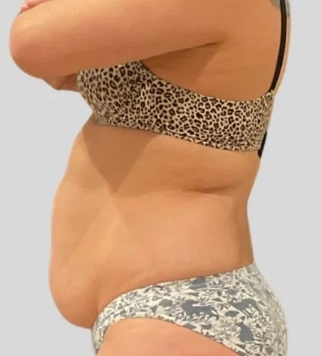
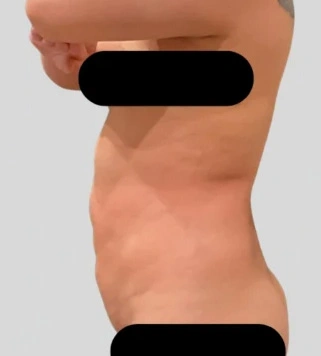
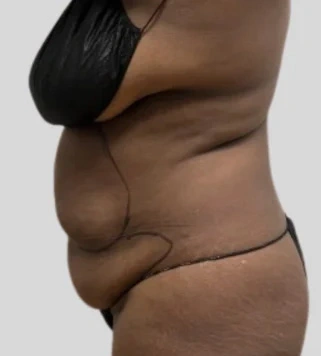
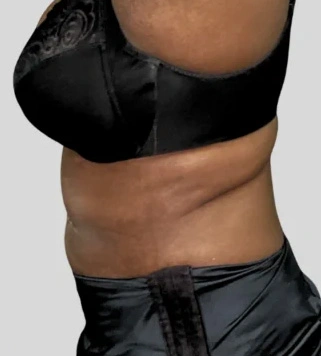
Non-Invasive vs. Minimally Invasive Fat Reduction: Which Is Right for You?
By Deanne Walker-DuPree, MSN, APNP, FNP-CBoard-Certified Family Nurse Practitioner20+ years clinical experience | 10+ years in plastic and reconstructive surgery
If you’ve been researching body contouring options, you’ve probably seen terms like “non-invasive fat reduction,” “awake liposuction,” “body sculpting,” and “skin tightening.” For many people, the biggest question is simple:
What’s the difference — and which option may be right for me?
At Blue Wolf Transformations, we believe patients make better decisions when they understand their options clearly and realistically. Every patient’s anatomy, goals, skin quality, recovery preferences, and comfort level are […]
Loose Skin After Liposuction: What’s Normal and What You Can Do About It
If you’ve been researching awake liposuction in Wisconsin, you’ve probably come across at least one forum thread or TikTok video wondering about loose skin. It’s easily one of the most common concerns people have—and for good reason. We all want smoother, tighter contours after body contouring, not extra laxity.
But here’s the thing:“Loose skin” is not one single look, and most people experience far less of it than they expect.
First: “Loose Skin” Means Different Things to Different People
When someone says “loose skin,” they could mean:
Skin that feels softer […]
Awake vs. Sedation Liposuction: What’s the Real Difference?
From Blue Wolf Transformations — Appleton & Brookfield, Wisconsin
If you’ve started looking into liposuction in Wisconsin, you’ve probably noticed there’s more than one way to do it. Some clinics perform it under full anesthesia (what most people think of as traditional liposuction), while others — like Blue Wolf Transformations — offer what’s called awake liposuction.
Both approaches remove fat permanently, but the experience, cost, safety and recovery couldn’t be more different. Here’s what you should know before you decide.
The Big Difference: Awake vs. Asleep
The main difference between the two comes down to one […]
Understanding the 3 Categories of Fat Interventions: From Non-Invasive to Surgical
If you’ve been researching ways to reduce stubborn fat, you’ve probably come across a dizzying list of treatment names — CoolSculpting®, Emsculpt®, FunSculpting®, Sono Bello®, Airsculpt®, Liposuction, tummy tucks, and more. But all these procedures generally fall into one of these three categories:
Non-invasive fat reduction
Minimally invasive fat removal
Major surgical interventions
Understanding these categories can help you choose the right approach for your goals, budget, and comfort level.
1. Non-Invasive Fat Reduction
(CoolSculpting®, Emsculpt®, SculpSure®, Red Light Therapy, Ultrasound, Radiofrequency, most “MedSpa” treatments, etc.)
Non-invasive treatments work from the outside in — no needles, […]
Celebrating PA Week: Honoring the Essential Role of Physician Associates at Blue Wolf Transformations
Every year, healthcare organizations across the nation celebrate PA Week. This year, from October 6–12, we recognize the essential contributions of Physician Associates (PAs). At Blue Wolf Transformations, with clinics in Brookfield and Appleton, Wisconsin, our PAs are not only critical to the success of our business but also central to the life-changing results our patients achieve through permanent fat removal via awake liposuction.
Why PAs Are Essential in Patient Care
When patients search for “liposuction near me” or explore affordable liposuction options in Wisconsin, they’re often focused […]
Chin Lipo vs. Kybella® for a Chiseled Chin
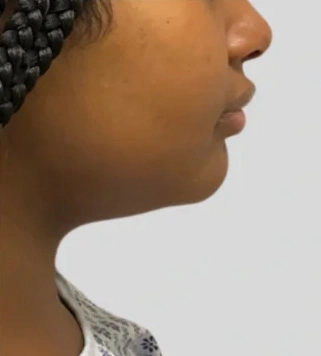
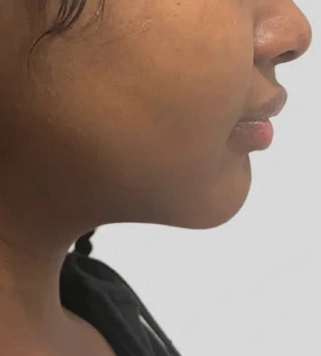
If you’re struggling with stubborn fat under your chin, you’re not alone. Many people deal with a double chin despite a healthy diet and exercise. Chin liposuction, also known as submental liposuction, is an effective and permanent way to remove fat and sculpt the jawline. At Blue Wolf Transformations, we specialize in FunSculpting for precise fat removal with minimal downtime. But how does it compare to other treatments like Kybella®? Let’s break it down.
What is Chin Liposuction by Funsculpting?
Chin liposuction is a minimally invasive procedure that removes excess fat from under the […]
How to Get a Snatched Waistline: The Real Talk on Body Contouring
Snatched WaistlineLet’s be real—getting that snatched waistline isn’t as easy as it looks on social media. Between work, family, and the chaos of daily life, who has the time to spend hours in the gym, meal prep religiously, and somehow defy the laws of aging and hormones? If you feel like your midsection has become the stubborn keeper of every cheat meal and stress snack, you’re not alone.But before we dive into solutions, let’s talk about what “snatched” actually means.What is a Snatched Waistline?A snatched waist is that […]
CoolSculpting® vs. FunSculpting® in Wisconsin: A Comparison of Body Contouring Procedures
Thinking about reducing stubborn fat in Wisconsin? You’ve likely heard of CoolSculpting® and FunSculpting®—but how do they compare? Both are body contouring procedures designed to help you achieve a slimmer silhouette, but they work in distinct ways. Let’s explore the key differences so you can make an informed decision about which procedure might be right for you.
CoolSculpting®: The Non-Invasive Fat Freezing Procedure
CoolSculpting® is a non-invasive fat reduction treatment that uses cryolipolysis (fat freezing). This process targets and destroys fat cells, which your body then naturally eliminates over time.
FDA Clearance: […]
Awake vs. Sedation Liposuction: What’s the Real Difference?
Let’s face it – we all have those stubborn areas that just won’t budge, no matter how many salads we eat or hours we spend at the gym. If you’re nodding your head right now, you might be wondering “what is body contouring?” Well, you’re in the right place, because I’m about to break down everything you need to know about this game-changing treatment.
Body Contouring Model
What Is Body Contouring? Your Questions Answered
Body contouring isn’t just another buzzword in the beauty industry – it’s a revolutionary approach to sculpting your body without going […]
Understanding the Cost of Liposuction: Why It Pays to Shop Around
When it comes to enhancing your confidence with liposuction, understanding the price tag is just as important as the procedure itself. With costs ranging widely—from $3,000 to over $15,000—it’s easy to feel overwhelmed. If you’re searching for the “cost of liposuction” or “liposuction prices near me” in Wisconsin cities like Milwaukee, Appleton, or Green Bay, this guide will help you navigate your options wisely.
Why Is There Such a Wide Range in Liposuction Prices?
The price of liposuction can vary for several reasons. Here’s what typically affects the cost:
Perception:
Many clinics have […]