By Dr. Philip Conrardy
Many people assume that liposuction is a type of weight-loss procedure, since it’s designed to get rid of excess fat. This is a common misconception; liposuction isn’t intended for weight loss, and liposuction and weight loss differ in several ways. Here, we highlight a number of these differences to help Appleton, Milwaukee, and Gurnee patients decide which option is right for them.
#1: Mechanism of Action
Liposuction and traditional weight-loss methods affect fat cells in different ways. Liposuction involves making tiny incisions and inserting a cannula, a thin tube. Surgeons use this tube to dislodge stubborn fat cells from the surrounding tissues. They then apply medical suction through the cannula to physically remove these fat cells from the body.
Traditional weight loss works differently. Fat cells store fat in the form of lipid droplets. When triggered by hormonal signals, fat cells break down these droplets into glycerol and fatty acids. Glycerol travels to the liver, where it is converted into glucose, while fatty acids travel to muscles and other tissues, converting into energy.
As these fat cells release their contents, they become smaller. This is a process known as lipolysis. Note that upper-body fat cells experience a higher degree of lipolysis than lower-body fat cells. Because of this, fat reduction during traditional weight loss affects the face and chest before it affects the abdomen, hips and thighs.
Along with lipolysis, weight loss also involves a decrease in water content and muscle tissue. This serves to reduce total body mass.
#2: Spot Reduction vs. Generalized Reduction
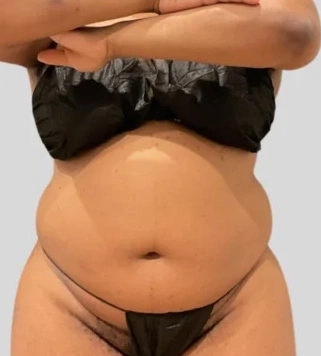
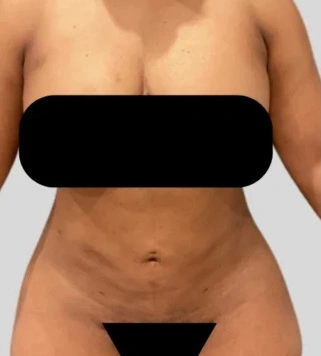
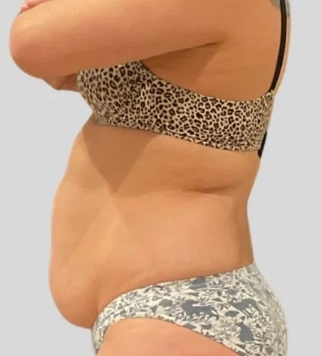
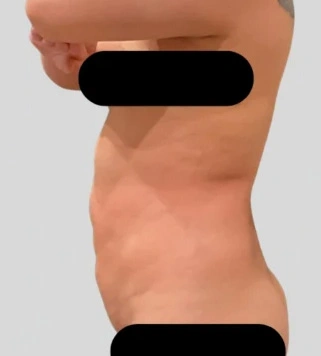
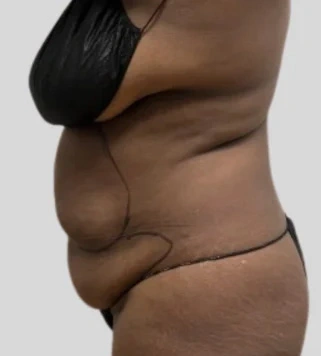
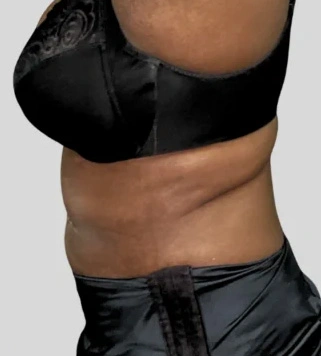
Liposuction is specifically designed for spot reduction of excess stubborn fat. This means patients choose one or more areas they want to reduce, and the surgeon contours those areas with a high degree of precision.
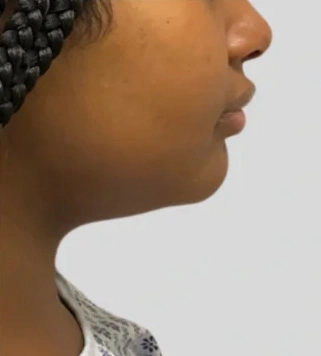
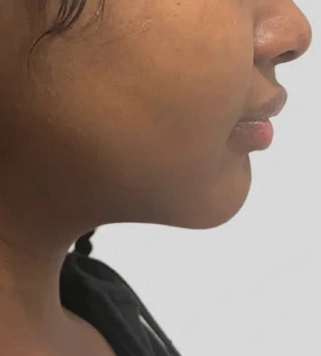
Liposuction is incredibly versatile. It can treat almost any area of the body, including:
Traditional weight loss is instead much more generalized. Instead of choosing a specific area to reduce in size, patients achieve a subtler degree of overall fat reduction all around the body.
#3: Best Candidates
Ideal candidates for weight loss are people experiencing health issues and/or self-confidence issues as a result of their excess weight. Candidates may be preparing for a surgical procedure, which may require them to reduce their overall BMI to reduce the likelihood of surgical and post-surgical complications.
Unlike ideal candidates for weight loss, ideal candidates for liposuction are already at or near their ideal weight. Candidates are looking for a way to effectively contour and sculpt one or more specific areas of the body.
#4: Degree of Weight Loss
Weight-loss methods like diet, exercise, weight-loss medications, and bariatric surgery help patients lose much more weight than liposuction. This is because liposuction’s main focus is reducing inches, not pounds, and any decrease in pounds is incidental.
With liposuction, patients may lose anywhere from four to eleven pounds, even when a large volume of fat is being removed, since fatty tissue is not very dense. Surgeons aim to remove three to five liters of fat during liposuction, and one liter of fat weighs around two pounds.
#5: Time and Effort Required
Liposuction requires very little effort from the patient and delivers instant results. There will be some bruising and swelling afterward, which will temporarily obscure the final results. These issues will decrease over time, and then patients will be able to see their final results.
Traditional weight loss instead requires a large amount of effort on the part of the patient and creates gradual results. Patients must be willing to make several lifestyle changes, including changes to their diet, exercise regimen, and overall physical activity level. They must also be dedicated to maintaining these changes for months and years to come. After all that time and effort, they can achieve visible results.
#6: Longevity of Results
Liposuction permanently removes fat cells from the body, reducing the number of fat cells left in the area. After the fat cells have been removed, new fat cells don’t grow back in their place. Because of this, liposuction results are permanent.
Traditional weight loss shrinks fat cells instead of removing them, which means they’re still in the body and can grow larger again over time. Factors like low physical activity and a higher calorie intake can cause them to swell, reversing weight-loss results.
Arrange a Consultation
Find out more about the differences between liposuction and weight loss, along with the benefits and limitations of liposuction—arrange a consultation with an expert at Blue Wolf Transformations. Our skilled surgical experts will be happy to discuss liposuction and your aesthetic goals at one of our offices in Appleton, WI, Brookfield/Milwaukee, WI, and Gurnee, IL.
Medical Disclaimer: This article is for general educational purposes only and is not medical advice. Procedures involve risks and are not appropriate for everyone. Candidacy, recovery, and results vary by individual, and no outcome is guaranteed. Consult a qualified healthcare provider to discuss your specific needs, risks, benefits, and alternatives.